STEM worldwide: making global skills accessible to schools
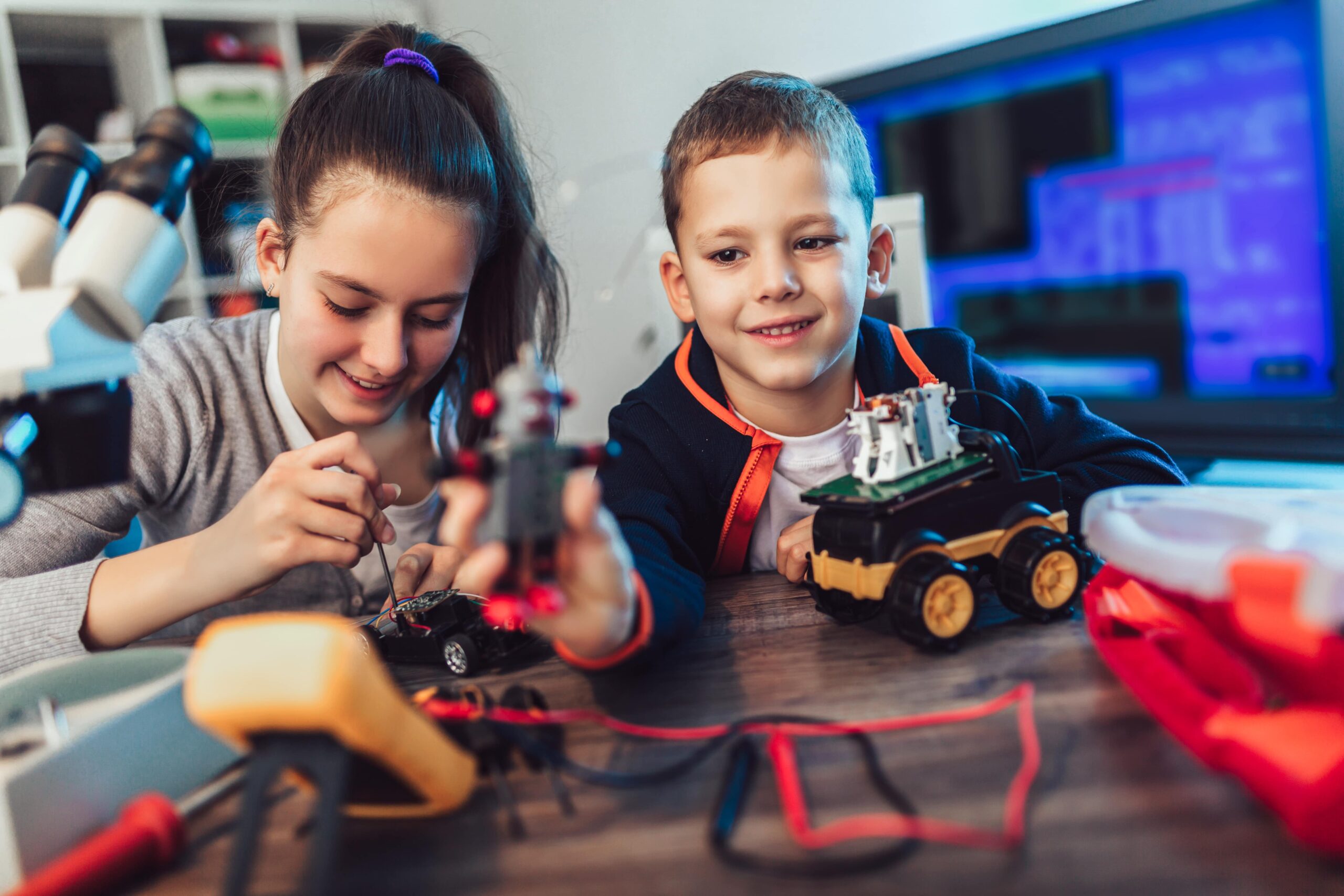
The need for 21st century skills has become an imperative aspect for educators and educational technology brands. The automation and technology available worldwide, the advancement in the use of this technology has caused a decrease in the need of people for certain jobs. To prepare future generations for the reality of a highly technological job market, schools and governments are facing the challenge in implementing STEM educational programs beginning at the preschool level.
Along schools and educators, brands and educational technologies are looking to create engagement, curiosity and eagerness in students to learn skills such as coding, programming, robotics, data science, problem solving skills and engineering. Worldwide, conferences are making it possible for schools and brands to have a platform and connect the need for students interested in STEM careers and be prepared for a future job market.
One of the conferences making this link possible is GESS Dubai. The Global Educational Supplies and Solutions (GESS) Dubai is an annual exhibition and conference for educators and businesses, run in partnership with the Ministry of Education of the United Arab Emirates. For over 14 years, GESS Dubai has been the merger between brand and educators to discuss the challenges, innovations, needs of the modern classroom and improve the way students learn.
The exhibition happens annually in November and last year, GESS returned from a virtual conference to a hybrid one, having both in person and virtual conferences. Microsoft, Lego, Lakeshore Learning, Breeze Creative, Robots.Education and EZrobots were among the 250+ brands that brought their technology and innovations to educators.
STEM education around the world has made conferences like these an important aspect for educators. The 21st century skills that a STEM curriculum provides can be achieved through the intentional and innovative engagement for students.
Dennis Kambeitz, founder of Robots.Education explains that schools with a robotics program at a high school level will only incentivize 3% of boys and 0.3% for girls in a 2000 student population. However, a STEM curriculum that begins with proficiency, literacy and finally mastery will increase these percentages to 90%. This increase in engagement is due to the presentation of what a robotics program entails, demonstrating that STEM programs are accessible and easy for all students to learn. During his virtual conference, Dennis Kambeitz also mentions that STEM programs should be a training for all students, as they will all need these skills in the future.
Breeze Creative, another brand part of the GESS Dubai exhibit, uses a projector and sand to create augmented reality with the animated sandbox among other products. This augmented reality, animated sandbox has been introduced in museums and schools in countries such as Turkey, Bangkok, Mexico and the USA. The augmented reality sandbox allows students to discover the changes in geography in a particular landscape.
STEM education in the middle east has proven to be a leader and forward thinker in preparing students for the future. The return to in person school has prompted schools around UAE to introduce robotics or advance to a higher level of integration into their curriculum.
Brands and educational technology firms have an upsurge in demand. In the UAE, robotics labs function in 100+ schools. Over 100,000 students are enrolled in STEM education programs. During online school. UAE moved its focus from robotics to coding as the equipment couldn’t be delivered to each and every student. Funding and strategies are in place to build programmers and engineers around the UAE.
STEM skills are a necessity, and conferences such as GESS Dubai brings solutions and engagement of these needs to educators from over 67+ countries. Countries must prepare their generations for the future job market, to be able to thrive in the technological reality we live in. The UAE has certainly made incredible changes through funding and implementation of programs in schools to have 21st century skilled students.